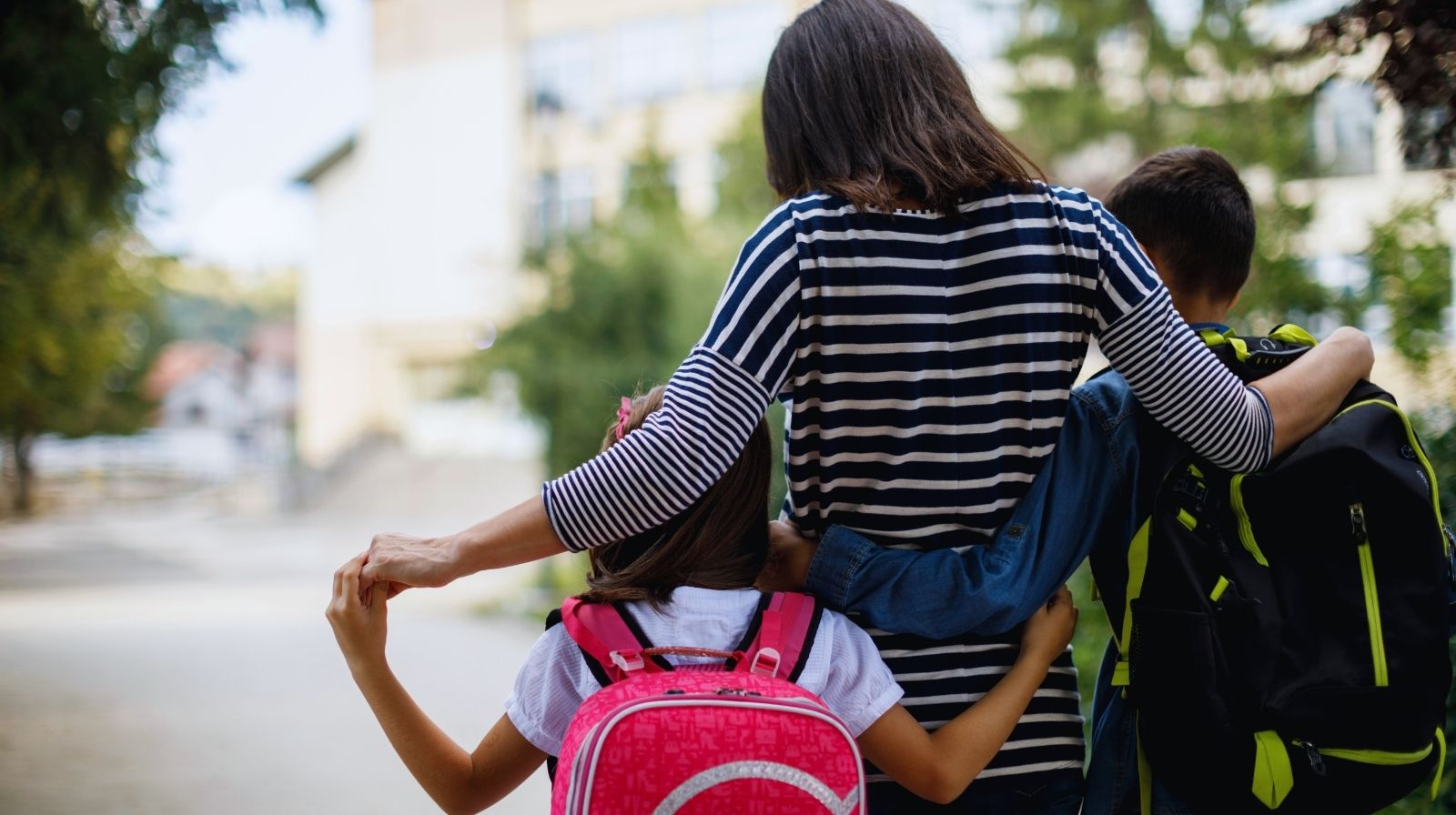

At CustomInsight for Schools, we define school climate as what it feels like to be at a school every day. This is shaped by how students, staff, and families treat one another, the values everyone shares, and the day-to-day experiences in classrooms and hallways.
These experiences and feelings are based on five pillars: safety, belonging, student-teacher relationships, teaching and learning, and leadership. These pillars are all interconnected and the foundation of a healthy school culture and climate. If one of these pillars is off, your school climate will suffer.
Safety:
Safety is the most basic human need in a learning environment. It extends far beyond locked doors and security cameras. It also includes emotional and social safety. Students must feel they can take risks without being ridiculed. The school must be a place where students feel safe from bullying and harassment. This isn’t only for emotional safety but for academic excellence. When a student feels safe, their brain moves out of “survival mode” and into “learning mode.”
Strategies to Improve School Safety:
- Lock down the exits: Make sure there are clear rules about who can get into the building and when. Keeping doors locked and monitored is the first line of defense.
- Update your tech: Don’t let your cameras or PA systems become outdated. You need to know that if something happens, you can see it on screen and hear the alerts clearly across the whole school.
- Focus on mental health: Safety isn’t just about fences; it’s about how people feel. Having enough counselors on hand to actually talk to kids and staff makes the whole environment feel more stable.
- Get real about bullying: Don’t just punish the behavior; figure out why it’s happening. Have clear behavior expectations and consequences. Implement restorative justice programs.
- Keep healthy relationships with local law enforcement: Build a real relationship with local officers before you actually need them. It’s better to have them as familiar faces who understand the layout of your school.
Belonging:
Being seen and heard, and feeling valued as individuals, is fundamental. Belonging connects everyone to their community. Belonging builds safer schools as well.
Strategies to Improve Belonging:
- Audit your “mural” and materials: Look at the books in the library, the faces in the hallways, and the guest speakers you bring in. If students and staff don’t see people who share their background or identity in positions of success, they won’t feel like the space was built for them.
- Fix the “Barrier” to entry: Take a hard look at why certain kids aren’t in AP classes or why certain staff members aren’t in leadership. Is it a lack of interest, or is there a “hidden” cost, a scheduling conflict, or a requirement that accidentally keeps people out? Actively clear those paths.
- Practice “Windows and Mirrors”: Ensure that every student has “mirrors” (seeing their own culture reflected) and “windows” (seeing and learning about others). This goes for staff meetings, too—don’t just talk about DEI as a checklist; make it a regular part of how you solve problems.
- Change how you “ask”: Instead of a general “does everyone feel included?” survey, ask specific questions about who feels comfortable in the cafeteria, the locker room, or the teacher’s lounge. Use that feedback to fix the specific spots where people feel they have to “mask” who they are.
“Every child you pass in the hall has a story that needs to be heard. Maybe you are the one meant to hear it.”
– Bethany Hill
Teacher-Student Relationships:
Teachers are the adults who have the most significant in-school impact on students and the school climate. The magic of education happens in the space between a teacher and a student. Strong relationships are built on trust, empathy, and high expectations. When teachers show genuine interest in their students’ lives outside the classroom, students are more motivated to work hard inside the classroom. Sometimes building that bridge can be monumental.
Strategies to Improve Teacher-Student Relationships:
- The “Two-Minute” Rule: Try to spend two minutes a day for ten days straight talking to a student you’re struggling to connect with—but here’s the catch: don’t talk about school. Ask about their favorite music, their job, or their weekend. Breaking that “teacher-only” mold helps them see you as a person, and vice versa.
- Be the one at the door: Greeting every student by name as they walk into the room sets the mood before the bell even rings. It’s a quick “vibe check” that lets you see who is having a rough morning so you can adjust your approach before a conflict even starts.
- Show your “Mistake” reel: Students often think teachers are perfect robots. When you mess up—whether it’s a grading error or a tech glitch—own it with a laugh. Showing that you can handle a mistake without spiraling makes it safer for them to take risks and be honest when they’re struggling, too.
- Find the “Hidden” interest: Every kid is an expert in something. Maybe it’s a video game, a specific fashion trend, or a sport you know nothing about. Ask them to explain it to you. Letting the student be the “teacher” for a moment completely flips the power dynamic and builds genuine mutual respect.
- Use “Warm Demanding” language: You can be tough and kind at the same time. Instead of just saying “this isn’t good enough,” try: “I’m holding you to this high standard because I’ve seen what you’re capable of, and I know you can hit it.” It shifts the tone from “I’m out to get you” to “I’m in your corner.”
Teaching Excellence & Student Learning:
Is the instruction engaging? Are the expectations clear and rigorous? A positive climate for teaching and learning means that students feel challenged but supported. It involves effective feedback loops where students understand their progress and teachers have the resources they need to deliver high-quality instruction. Teaching excellence isn’t about what happens in one classroom. It is about building a system in a school and a district where teachers strive to excel because they want to improve.
Strategies to Support Your Teachers and Academic Excellence:
- Protect teacher time like a hawk: Teachers are drowning in paperwork, emails, and duties. If you want them to focus on great teaching, you have to clear the “busy work” off their plates. Cancel meetings that could have been emails and give them back time to plan classes, collaborate with their peers, or simply take a needed break.
- Budget for the “Labs,” not just the “Lectures”: If a teacher wants to try a new project-based learning unit or needs a weird set of supplies for a science experiment, find a way to say yes. Being the “Yes” person for creative ideas tells your staff that you value innovation over a quiet, boring hallway.
- Fix the “Cellar” before the “Attic”: It’s hard for a teacher to be excellent if the copier is always broken, the Wi-Fi is spotty, or the thermostat is stuck at 80 degrees. Handling the “grunt work” of the building allows your teachers to keep their mental energy focused on the kids.
- Make Continuous Learning the Expectation: Provide teachers with space to learn. Whether it’s going to conferences, working toward a master’s degree, or attending Judo classes, when your educators have meaningful opportunities to learn and grow, they can bring that excitement back to the classroom. (Don’t dismiss hobbies as “fluff” – those personal growth goals teachers have (learning how to kayak, photography classes, rock climbing, scrapbooking). These, too, lend to a healthier, more dynamic classroom.
Leadership:
Leadership drives school culture. Effective leaders – your school principals, deans, and department heads – set the tone for the school culture and climate. They are your school’s north, providing the vision, the emotional support for staff, and the structural consistency required for the other four pillars to stand. Leadership ensures that the school’s values are lived out every day, not just written on a mission statement. From an admin or district perspective, good leadership isn’t about being the “person in charge”—it’s about being the person who makes everyone else’s job easier. Here is how to do that with a human touch:
Strategies to Become Better School Leaders:
- Be “The Shield”: Your staff is constantly bombarded with new mandates, angry emails, and shifting policies. A good leader filters that noise. Protect your teachers from the “extra” stuff so they can actually focus on the students. If a meeting doesn’t have a clear purpose, kill it.
- Walk the halls (with a purpose): Don’t stay locked in your office. Be a visible presence, but not in a “policing” way. Connect with students. Discuss needs with the janitor. Have a coffee with your staff. When people see you as a human being, they’re more likely to come to you when there’s a real problem.
- Give away the credit, take the heat: When something goes right, point to the team. When something goes wrong, stand in front of them. Nothing builds loyalty faster than a leader who takes responsibility for a mess instead of looking for someone to blame.
- Hire people better than you—then get out of their way: Don’t micromanage. Hire teachers and staff who are experts in their niche, give them the resources they need, and trust them to do the work. Your job is to clear the roadblocks, not to drive the car for them.
- Master the “Quiet” conversation: Public praise is great, but private correction is vital. If a staff member is struggling, handle it behind closed doors with empathy. Ask, “What’s going on, and how can I help?” rather than starting with a reprimand. Usually, “performance issues” are actually “life issues” or “resource issues.”
- Be consistent, not perfect: People can handle a leader who makes mistakes, but they struggle with an unpredictable leader. Try to have a steady “temperature.” If your staff knows what to expect from you every day, the whole building feels more stable.
- Ask “What do you need?” and mean it: Make this your most-used phrase. Whether it’s a physical tool for the classroom or just a five-minute vent session, being the person who actually solves the small problems earns you the right to lead through the big ones.
These five pillars are the foundation for a healthy school climate. They don’t ‘just happen’; instead, they are built over time, and it takes constant work, meaningful actions, and communication to maintain them.
Looking back at these five pillars—Safety, Belonging, Relationships, Learning, and Leadership—which one do you think is the “anchor” that keeps everything else from drifting? If you answered “all of the above”, you are correct. They are all interconnected and necessary for a healthy, thriving school community.
To identify where your school and/or district needs more support, schedule an appointment with our education expert and implement a School Culture and Climate Survey. Excellence begins today.