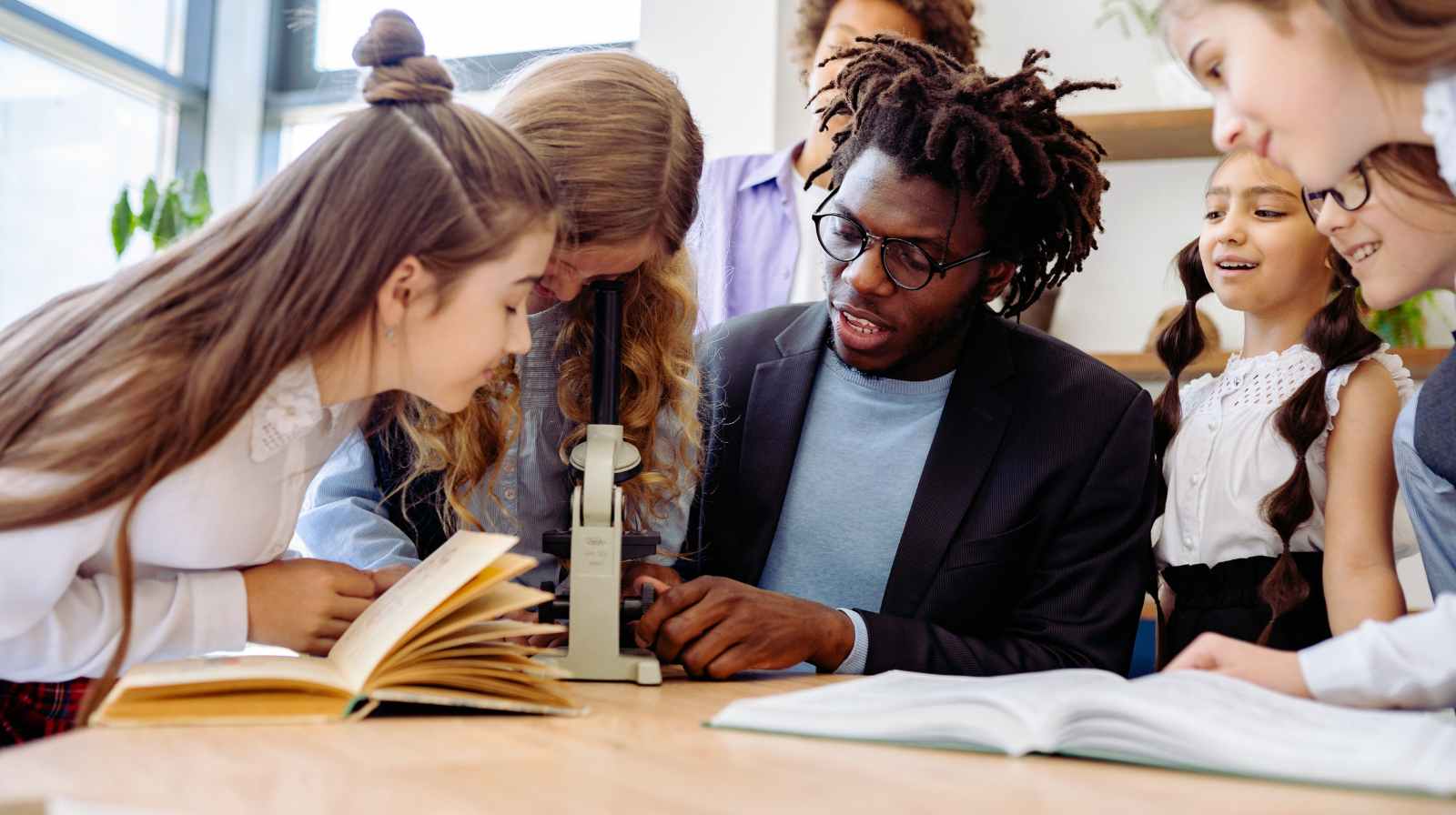
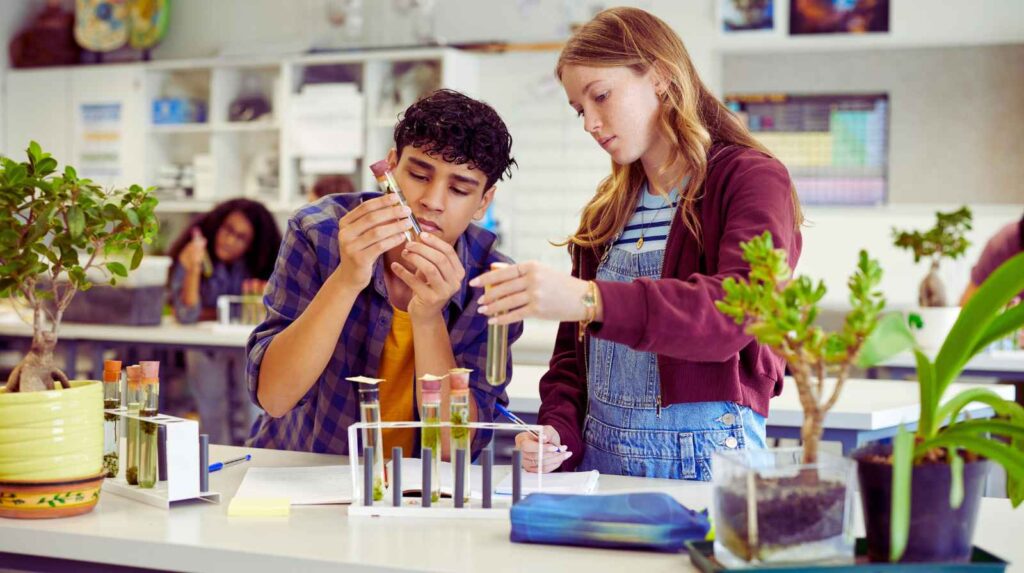
We talk a lot about school climate and culture and how they impact your students’ learning and wellbeing. That said, the space with the most profound and immediate impact on student learning and wellbeing is the classroom. What is your classroom environment like, and how can it positively affect learning outcomes?
What are the key components of a healthy classroom environment?
This can be divided into three sections
- The Physical Environment
- The Social/Emotional Environment
- The Psychological/Cultural Environment
What does a healthy physical classroom environment look and sound like?
There is no one answer for this, but there are some common qualities. They include:
- Clean Walls: Painted walls with engaging, not distracting, visuals. This could include student work (on the latest project), posters that reinforce the lessons, graphs, visuals, etc. Keep approximately 30% – 50% of wall space clear.
- Light: Don’t cover up windows … keep as much natural light as possible. And, if you are a teacher who gets “stuck in the dungeon” so to speak, maximize artificial light. Use mirrors and light colors on the walls. Bring in plants (low maintenance).
- Organization: Students should know where to get the necessary resources and materials. Maintain an open, clutter-free environment.
- Sound: You don’t need to play Mozart, but the soundtrack of your classroom can set the tone. If your students are doing group work, consider nature sounds and quieter background music. Before a test, put on something from The Shining. No. We don’t really recommend that, but you can have fun with music! The sounds of your classroom reflect the kind of learning – a hum of excitement in group work, the quiet of silent reading, and more.
How do effective teachers shape the social-emotional classroom environment?
Your teachers have the biggest impact on the social/emotional classroom environment. Highly effective teachers share some common traits. They:
- Model Calm, Respect, and Authority: Teachers are most students’ most immediate adult role model at school. They model calm, respect, and authority. Effective teachers are empathetic and have high expectations for student learning and classroom behavior.
- Build Relationships: Educators who build relationships with their students and create healthy peer-to-peer relationships to create trust and connection. This helps students feel valued and safe.
- Build Emotionally and Physically Safe Places for Students: Establish ground rules about student behavior with clear consequences. Show your students that cruel behavior is not accepted. Create spaces for students to write about themselves and their lives. If you have a first-period class on Monday, give your students 5 minutes to do a “weekend report.” If you’re a science teacher, have your students write about how they applied science to their lives.
- Incorporate SEL in Your Classroom: SEL isn’t a lesson plan. It’s a way of being and teaching and can be incorporated into your curriculum. Define the SEL goals you want to achieve each period and implement meaningful actions to help your students reach those goals. Some ways to start? Practice mindfulness. Teach students box breathing. Teach students to work in groups, and more!
How to have a healthy psychological/cultural environment in your classroom?
- Know your Students: Learn about your students’ histories, families, languages, and cultural/ethnic identities. Be the classroom where it’s simply expected that people will come from different, diverse backgrounds.
- Incorporate Diverse Materials: Be mindful about including curricula and texts that reflect diverse identities and experiences. Remove stereotypes!
- Establish Clear Routines and Procedures. Students (people) thrive on routine and knowing what to expect. Unfortunately, many of your students might be experiencing uncertainties outside of your classroom. Be the place of predictability. This gives students a sense of security.
- Have High Expectations: Both behavioral and academic expectations should be high and achievable. Provide students with rubrics. Set consequences and follow-through when students don’t meet expectations.
- Be kind: Be the smile, the encouragement, the kindness in your students’ lives.
Creating a healthy classroom environment seems like a tall order. As a teacher, whether new or veteran, you are facing a lot of pressure from your school, district, and even students and families.
Edutopia contributing authors Cheryl Abla and Jim Bridges spent thousands of hours observing classes and found some common factors that contribute to healthy classroom environments. Take things one change at a time, and you will soon see the difference.
Do you or your school need support? Try a School Climate and Culture Survey or Student Perception Survey to get the data to take meaningful actions and improve teacher engagement and student learning.
The TED talk below is a more radical take on learning spaces, and most teachers are grappling with just getting enough materials for the school year. This, though, can be an inspiration on how to create a learning space that meets the needs of your students. Start with a can of paint and a plant. You might be surprised at the wonderful results.